

Luffah Gourd (luffa aegyptiaca) 30 seeds
Plant Size Guide

CLICK HERE to shop our other store, Plantmatter, where we offer nationwide shipping on these seeds and plants and more!
“Wait, you mean loofahs aren't creatures from the sea?!” Nope! They are dried out gourds from the loofah vine. Luffas belong to the Cucurbitaceae or gourd family, along with their somewhat distant cousins squashes, watermelons, cucumbers, melons, and the hard-shelled gourds. As the loofah gourds mature, their endocarp transforms into a fibrous network that’s mostly made of cellulose. This network forms the soft and absorbent exfoliator we’re all familiar with. We like to let the loofahs mature and then turn completely brown while still on the vine, then we harvest them, shake the seeds out (save them for giving to friends and replanting), peel the outer layer off and there you have it… a loofah sponge!
While North American Gardners tend to grow this plant for its showy and useful gourds, in many other parts of the world the flower buds, flowers, and very young fruit (which taste pretty much like summer squash) are eaten. To eat the young fruit harvest it when its the size of a grocery store zucchini and cook it just the same.
Loofah vines are fast growing and get huge, so make sure you have a big piece of fence or arbor to plant on. They are susceptible to all the things that like this family of plants, like vine boring worms and powdery mildew, so you’ll want to plant them in full sun and keep an eye on the growing tips for worm damage. This plant is a real unique treat in the garden if you have the space, and kids love to grow it because you can see the fruits get bigger every day until you harvest.
Though they’re most commonly used in the shower, luffa sponges are great for scrubbing pots and plates in the kitchen, and they make great gifts for friends. Use a serrated knife to cut slices off of your loofah and use the slice like a sponge. You can also submerge your slice in homemade soap and make super cute biodegradable gifts for friends.
While loofahs origin is unknown (some say African some say Asia) loofah plants are very common throughout Africa, and our herbalist The Garden Jules found multiple medicinal uses for it from different regions. In South Africa and Rwanda the leaf is decocted or simmered for 20-40 minutes in water, to treat stomach pain. The leaves have also been used as a poultice topically on the skin to reduce inflammation and stimulate healing on wounds, cuts or abrasions. In Nigeria, the young fruit pulp is ground into a poultice and applied topically to skin as an emollient to rehydrate and replenish dry, cracked skin and skin lesions. In Guinea the fruit pulp poultice is applied to tumors topically to reduce inflammation. In Uganda, the decoction of the leaves is used to induce labour and assist with postpartum issues which is backed by the discovery of oxytocin levels in this plant. For this reason, use caution, if pregnant, and do not consume this plant.
Planting and growing tips: loofah seeds are notoriously easy to germinate (like its cousins pumpkin & squash) and germinate in only 3 days. Plant seeds 1/4 inch deep in premoistened potting mix in a small pot or seedling tray. Keep cells moist in partial shade until germination, when they can be moved to full sun exposure. Loofahs grow very fast so make sure to keep up with its growth and up pot frequently and plant out in its permanent location when the plant is about a month old. Loofahs need full sun and tons of space to produce fruit. Vine will start with male flowers only and will follow up with female flowers & fruit.
All seeds were harvested from our urban farm and plant nursery in 2022. Seed packages are hand silkscreened by Gold Teeth Brooklyn, a handmade stationery company based in Los Angeles.
Seeds have been tested for reliable germination in our nursery at 80 degree daytime temperatures. We recommend using them within 1 year of date of purchase.
Delivery Details
Delivery Details
When you place your order we head into our greenhouse to select the very best plants we have in stock for your garden. We label them with handwritten compostable wooden labels and pack them in recyclable boxes to keep them safe on their journey. Our delivery partners, Roadie, take it from there and head to the Redlands to pick up your order. Communication and tracking take place via Roadie and your driver will leave your plants in a safe and covered area.
Plant Care
Plant Care
When your plant delivery arrives, make sure you water your new plants thoroughly with a light spray of water (none of this thumb over the hose stuff). We recommend planting them within 10 days of receiving them. If you do intent to wait to plant them, we recommend placing them in a shallow reservoir (like a baking pan) and filling it with half an inch of water so they can drink the water from below while you are at work and place them in an area with plenty of sun. When planting in your garden always add a dash of Organic granular fertilizer, and give them extra water during their first week in their new home, while they adjust. We recommend disturbing the root ball as little as possible during planting.
About Our Plants
About Our Plants
All of our plants are grown in OMRI certified Organic materials (potting mix, fertilizer, seeds, etc.) and include Organic granular fertilizer, living locally-made compost, and have been cared for with healthy microorganisms from compost tea and microbial inoculants. We only use organic pesticides when needed. We only stock varieties that we have experience growing and that are season and climate appropriate for South Florida. Our curated inventory is simple enough for a beginner and interesting enough to keep an advanced gardeners attention, with new and rare varieties being added weekly.
Your payment information is processed securely. We do not store credit card details nor have access to your credit card information.

Clients Love Us

"Smooth, seamless experience. Professional packaging and delivery. I have two healthy plants... life is good."

"What a wonderful experience. Great customer service, and so helpful with all my questions and very accommodating. Would definitely recommend and will be buying again in the future."

“Healthy foliage when this plant arrived, and pushed out a bloom less than two weeks after being planted. Excellent!”

"As always, awesome customer service, large healthy plants!! Thank you so much!!"
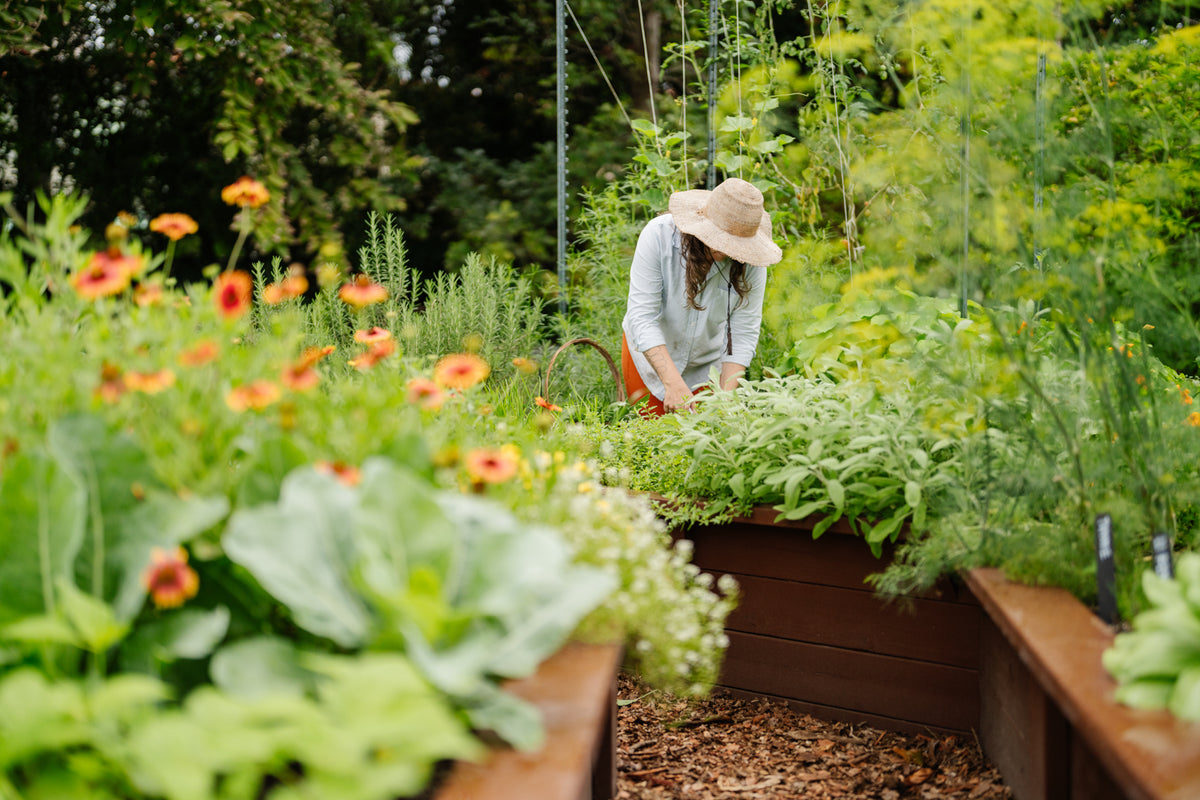
Now Little River Nursery & Little River Gardens
Two new names, one guiding vision; to empower people through food and ecology. For more information on our garden installation services visit the Little River Gardens website.